From the Forest to a Fairer Future: How Tribal Honey Gatherers Are Building Livelihoods in Kandhamal and Simlipal
PNN
New Delhi [India], November 23: There is a world beyond the roads that lead into the forests of Odisha. A world where the changing seasons dictate daily life, where the flowering of a tree is noticed long before it appears in a calendar, and where the forest is not merely a landscape, but a source of food, livelihood, culture and identity.
In the forest regions of Kandhamal and Simlipal, honey gathering is more than an occupation. It is a tradition passed down through generations, deeply connected with the rhythms of nature. For many tribal families, forest produce represents an important source of income, but the journey from gathering something valuable in the forest to earning a fair price for it in the marketplace is not always easy.
It is somewhere along this journey that the work of community organisations, government initiatives and businesses willing to build long-term relationships begins to matter.
For Royal Bee Brothers, this connection with forest communities has been evolving over the past five years. It is a journey that has taken the brand beyond sourcing honey and towards understanding the people, their challenges, their knowledge and the possibilities that can emerge when traditional skills are supported with practical guidance and access to markets.
The forest has always been their teacher
The forests of Kandhamal and Simlipal are home to rich biodiversity and communities whose livelihoods have long been connected to forest resources. Honey, wild fruits, seeds, medicinal plants and other forest produce have traditionally been collected, used and shared within these communities.
For a forest honey gatherer, identifying honey is not simply about finding a hive. It involves observing the forest, understanding flowering seasons, recognising the behaviour of bees and knowing when and where honey can be collected.
This knowledge is often inherited rather than formally taught.
However, traditional knowledge alone cannot always overcome the challenges of modern markets. Inconsistent storage, limited packaging facilities, lack of information about quality standards, transportation difficulties and the absence of reliable buyers can make it difficult for forest gatherers to receive the value their products deserve.
The challenge is not that the forest communities lack knowledge. The challenge is to help that knowledge translate into better opportunities and more sustainable livelihoods.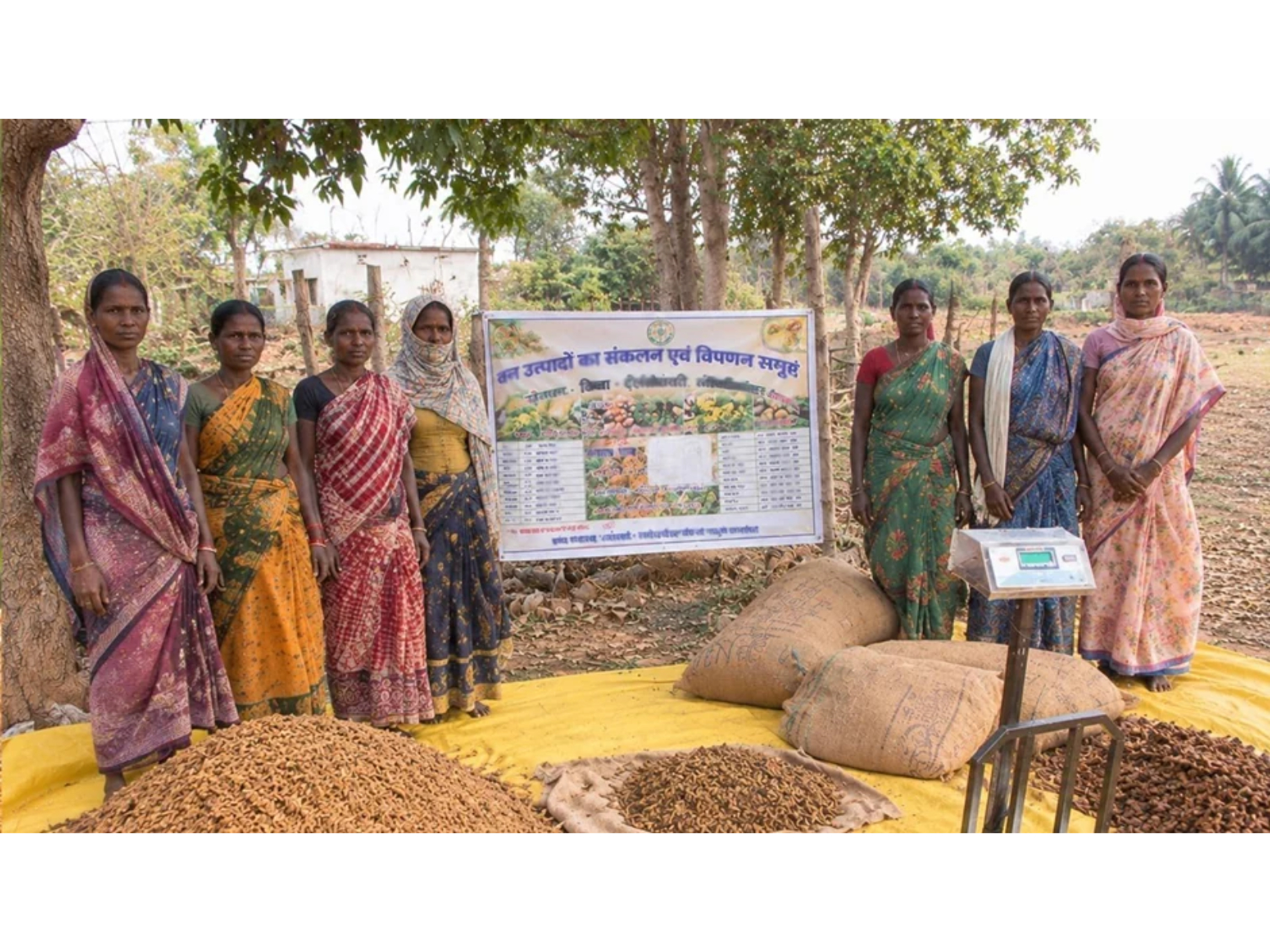
Government initiatives: creating pathways from forest produce to market
Initiatives such as the Van Dhan Vikas Yojana, implemented through TRIFED under the Ministry of Tribal Affairs, have sought to strengthen the economic opportunities available to tribal communities by encouraging collective procurement, value addition and marketing of forest products.
The underlying idea is simple, yet powerful: when people collect forest produce individually, they may have limited bargaining power, access to infrastructure or market connections. But when they organise into Self-Help Groups, Van Dhan groups and community-based collectives, opportunities for processing, improving product quality and accessing buyers can become more achievable.
These initiatives can help communities move beyond selling raw forest produce at the first available price. With appropriate training, facilities and market linkages, forest produce can become a source of more sustainable economic activity.
Government-supported tribal livelihood programmes can help create an institutional framework. But the real difference often emerges through consistent work on the ground, where people are supported in applying this knowledge in their everyday activities.
Five years of learning, listening and building relationships
For Royal Bee Brothers, the association with forest honey gatherers and community-based initiatives has been shaped by the belief that sourcing should not end with a transaction.
Over the last five years, the effort has been to build relationships with communities, understand the realities of gathering honey and help bridge some of the gaps between forest produce and the expectations of the marketplace.
This involves training and guidance on harvesting practices, helping gatherers understand the importance of cleanliness and careful handling, and encouraging better storage methods that protect the quality of collected honey.
It also involves helping communities understand that different floral sources can produce honey with different characteristics. Colour, aroma, taste, texture and crystallisation patterns can vary depending on the plants, environment and season. Recognising these differences is an important step towards appreciating forest honey not as a uniform commodity, but as a product with its own natural identity.
Such learning cannot be built in a single workshop. It requires repeated interaction, demonstrations, patience and trust.
The objective is not to replace the traditional knowledge of forest gatherers, but to complement it with practical techniques that can help improve the quality, consistency and marketability of their products.
Women, cooperatives and the strength of collective work
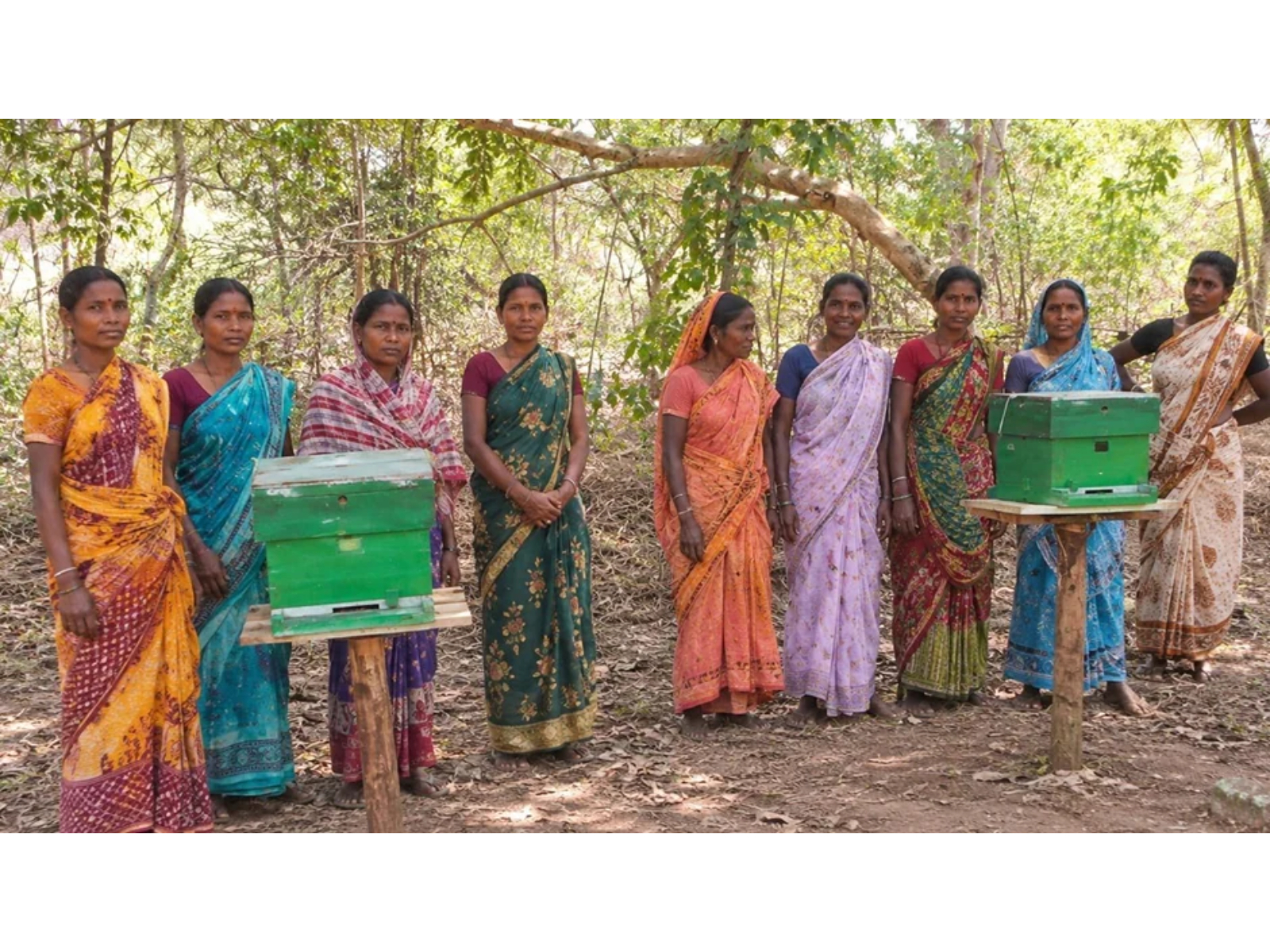
At the heart of many forest-based livelihood initiatives are women. Women participate in collecting, sorting, processing, organising community activities and managing household responsibilities. Yet their contribution to forest-based economies is not always reflected in the opportunities available to them.
Supporting women’s cooperatives and Self-Help Groups can create a space where skills are shared, responsibilities are distributed and collective participation becomes stronger.
Royal Bee Brothers’ engagement with women-led groups and community initiatives includes guidance around honey handling, storage, understanding honey varieties and improving practices that can help prepare products for buyers. The effort also extends towards encouraging handicraft activities and exploring ways traditional skills can create additional livelihood opportunities.
Handcrafted products, community-based processing and forest produce can complement each other. When supported with appropriate training, design guidance and market access, these activities can help create additional avenues of income, particularly for women who may have limited access to formal employment.
The important part is not simply teaching a skill. It is creating an environment where women can participate with confidence, where their work is valued and where opportunities to earn are not restricted by the distance between their villages and urban markets.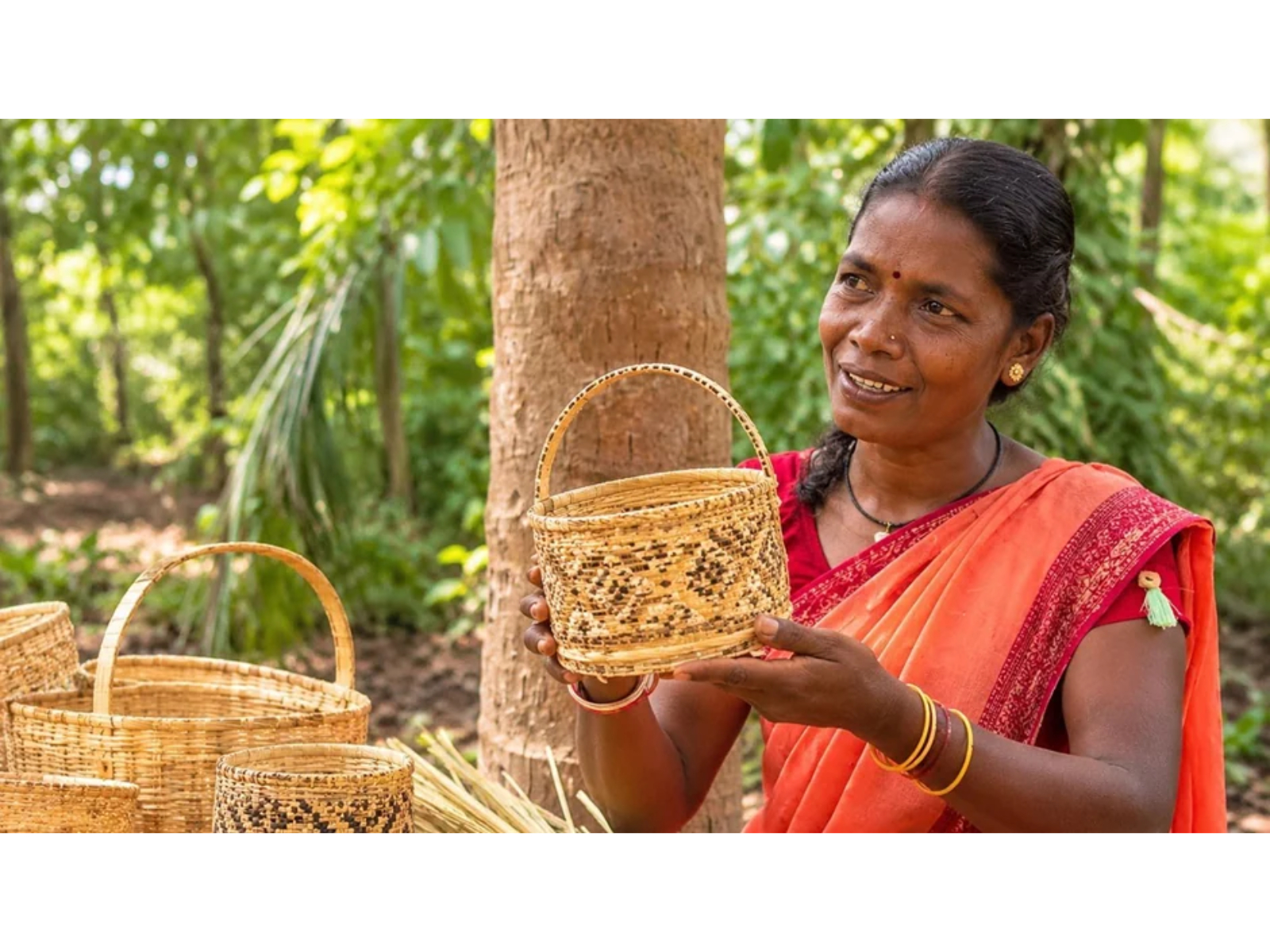
From Van Dhan networks to the consumer’s table
One of the important aspects of Royal Bee Brothers’ work has been sourcing honey through government-supported Van Dhan channels and associated community networks, helping create a connection between forest produce collectors and the market.
When businesses procure responsibly through such networks, they can help support the economic activity of the communities involved, provided sourcing is transparent, fair and aligned with the programme’s processes.
The honey that eventually reaches a consumer carries a much longer story than its packaging can tell. It reflects the landscape from which it was gathered, the knowledge of the collector, the efforts made to preserve its quality and the network of people who helped it travel from the forest to the marketplace.
A journey that is still unfolding
There are no overnight solutions to the challenges forest communities face. Training takes time, markets fluctuate and infrastructure remains limited in many remote areas. Sustainable livelihoods must also go hand in hand with protecting forests, bee populations and biodiversity.
Over the past five years, Royal Bee Brothers has been building connections with forest communities through learning, training, sourcing and market access. The effort is to bridge traditional knowledge, government-supported initiatives and responsible business practices.
Tribal forest honey harvested by these communities is more than a product; it is a connection to the communities, traditions and landscapes from which it comes. These communities possess remarkable knowledge and resilience. What can strengthen their journey is access to fair markets, supportive partnerships and opportunities to build livelihoods on their own terms.
To understand forest honey, look beyond the jar. Look at the forest that nurtures it, the gatherers who understand its seasons, the women who work collectively and the partnerships that help bring its value to market. Because every jar can carry a story of not just nature, but of people, dignity and opportunity.
(ADVERTORIAL DISCLAIMER: The above press release has been provided by PNN. ANI will not be responsible in any way for the content of the same.)