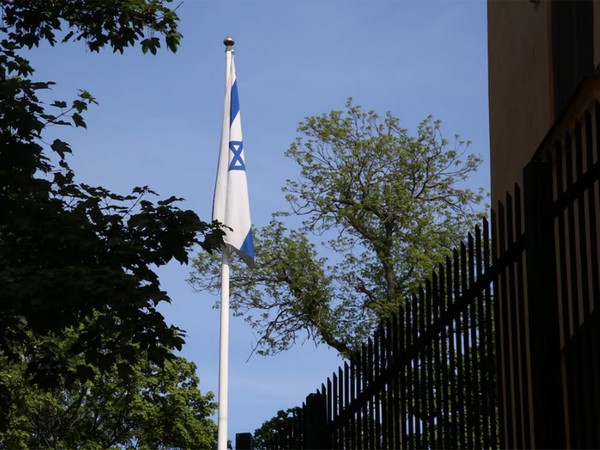
Tel Aviv [Israel], January 29: While Israel set conditions for the implementation of the peace plan in the Gaza Strip, the US continued to use military force to pressure Iran into accepting the agreement.
Specifically, on the evening of January 27th (early morning of January 28th, Vietnam time), Israeli Prime Minister Benjamin Netanyahu held a live televised press conference on various topics after Tel Aviv brought the body of the last hostage from the Gaza Strip back to Israel. AFP quoted Netanyahu as saying that Israel will now focus on completing two tasks: disarming Hamas and demilitarizing the Gaza Strip . The US-sponsored Gaza peace plan, effective from October 2025, states that all hostages will be released in phase 1 and Hamas will surrender its weapons in phase 2. Netanyahu declared that he will complete these two tasks by any means necessary and emphasized that he will not allow the reconstruction of the Gaza Strip until demilitarization is complete.
On the other hand, he asserted that Tel Aviv would not allow the establishment of a Palestinian state in the Gaza Strip despite widespread international recognition, and stated that Israel would continue to maintain security control in both the West Bank and Gaza.
The repatriation of the last hostage's body on January 26th marked the end of the Israeli protests and the conclusion of Phase 1 of the Gaza peace plan. However, another tense scenario still looms as US President Donald Trump remains open to attacking Iran, potentially provoking a retaliation from Tehran and implicating Tel Aviv. Currently, the USS Abraham Lincoln carrier strike group is present in the region, and the US Air Force announced plans for multi-day combat readiness exercises in the Middle East on January 27th. In a press conference, Netanyahu warned that if Iran makes a serious mistake by attacking Israel, Tel Aviv will respond with a force Tehran has never seen before.
In the US, President Trump said a large fleet, larger than the one near Venezuela, was heading toward Iran. However, the leader left open the possibility of dialogue. "They want a deal. They've called many times. I hope they reach an agreement," Trump said in an interview with Axios. Yesterday, Iranian Foreign Minister Abbas Araghchi declared that he would not negotiate in an atmosphere of threats. On January 27, Iranian President Masoud Pezeshkian spoke by phone with Saudi Crown Prince Mohammed bin Salman, in which the president condemned threats aimed at undermining regional security from the US. Mohammad Akbarzadeh, Deputy Political Commander of the Iranian Revolutionary Guard Corps (IRGC) Navy, warned neighboring countries that they would be considered enemies if they allowed others to use their territory, territorial waters, or airspace to attack Iran. Crown Prince Mohammed bin Salman and previously the UAE have pledged not to allow that to happen. Following the US bombing of Iranian nuclear facilities in June 2025, Tehran attacked the Al-Udeid base in Qatar, which houses US forces.
Source: Thanh Nien Newspaper