Washington [US], January 1: The risk of escalating trade wars and pressure from tax policies, or the explosion of artificial intelligence coupled with the risk of a "bubble burst," inflation. are some of the challenges that the global economy may face in 2026.
According to forecasts by the Organization for Economic Cooperation and Development (OECD), global economic growth will slow down, with the 3.2% growth rate of 2025 expected to fall to 2.9% in 2026. This is because the global economy is projected to continue facing numerous risks.
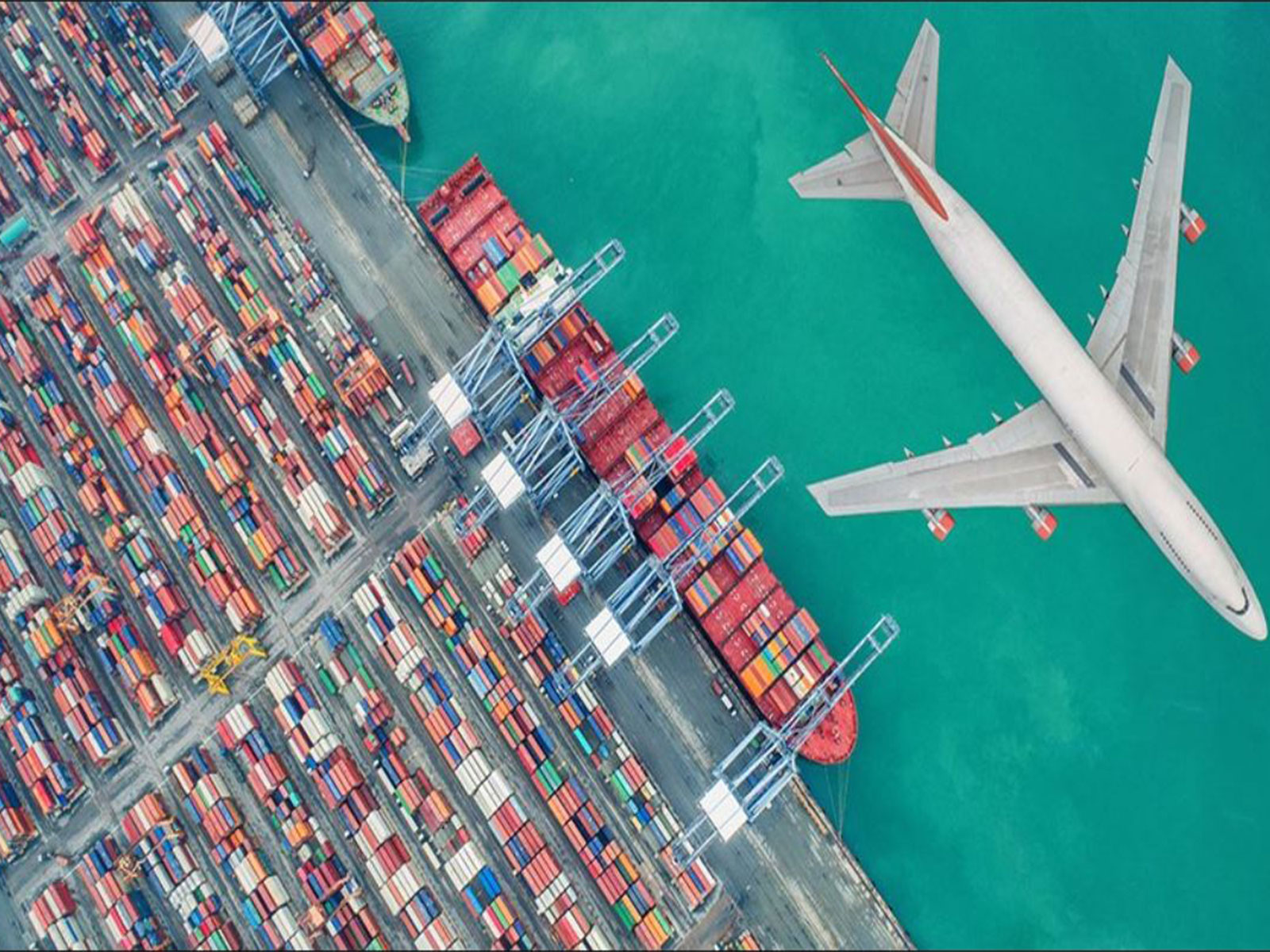
Tariff tensions, concerns about a trade war.
In 2026, the U.S. Supreme Court is expected to rule on whether President Donald Trump overstepped Congress's authority by invoking a national emergency to impose import tariffs. Observers predict the Supreme Court will conclude that the White House's tariff policy is illegal. However, even if the judges overturn the tariffs, the White House could use other legal means to reimpose some of them. Therefore, tariffs could remain a major issue in 2026. Furthermore, recent actions by the Trump administration suggest that the tariff policy may not stop at its current levels.
Furthermore, the US-China trade war is highly likely to continue. Tensions between the two sides eased after President Trump and Chinese President Xi Jinping met in late October and agreed to a "truce" to continue discussions. However, the temporary agreement between the two countries is merely a "ceasefire" and not a "long-term peace agreement" to end the trade war. Rajiv Biswas, Managing Director of Asia Pacific Economics, commented: "The US and China remain locked in geostrategic competition, which continues to lead to competition in key areas such as defense technology and advanced manufacturing industries like artificial intelligence (AI), quantum computing, and robotics.". Therefore, the competitive struggle between the US and China could extend into 2026.
Moreover, the Chinese economy still shows few signs of improvement. Meanwhile, China's growth model continues to prioritize supply over demand, leading to overcapacity and persistently low consumer spending. Therefore, Chinese goods could flood the markets of other countries.
Concerns about the AI "bubble bursting"
In 2025, despite global economic challenges, Taiwan's economy is expected to thrive thanks to the boom in AI, leading to increased demand for advanced semiconductor chips. Similarly, major US technology companies have invested hundreds of billions of dollars in building and expanding AI infrastructure such as data centers. These investments are projected to contribute significantly to GDP growth in the US.
The Economist commented that the rampant investment in AI infrastructure could mask economic weakness in the US, raising the question of whether the AI "bubble" will burst. Similarly, The Guardian assessed the potential for AI to play a significant role in the global economy by 2026. But the newspaper raised concerns: Will companies investing massive amounts in data centers, information technology, and automation truly boost productivity growth? Or will the overinvestment subside amid investor fears of an AI bubble in the US stock market due to overvalued companies in the sector?
A survey by Deutsche Bank of its institutional clients revealed that the bursting of the tech bubble topped the list of 15 biggest risks in 2026. Specifically, 57% of respondents ranked the risk of a tech bubble bursting, and AI in particular, among the top three biggest risks.
The inflation problem
The Guardian, citing expert opinions, predicts that households have faced significant cost-of-living constraints due to high inflation, but hopes that the pace of consumer price increases will slow considerably by 2026.
Also related to this issue, DW forecasts that inflation will remain high in many parts of the world, including the US and the eurozone, partly due to tariffs. Further increases in trade barriers or supply chain disruptions could accelerate price increases, creating a dilemma for central banks about whether to raise interest rates to combat inflation or keep them low to support growth. Rising interest rates could harm growth and cause a surge in debt service costs for countries with high levels of debt and financial instability.
In light of global economic challenges, the research department of Goldman Sachs (USA) forecasts global economic growth of only 2.8% in 2026. During the same period, the US economy is projected to grow by 2.6% and China by 4.8%.
Source: Thanh Nien Newspaper